
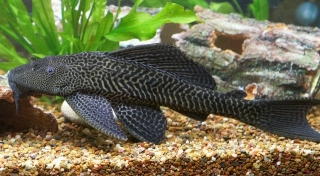
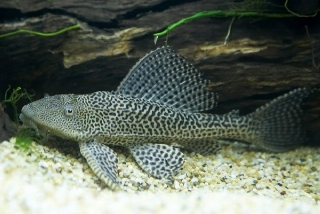
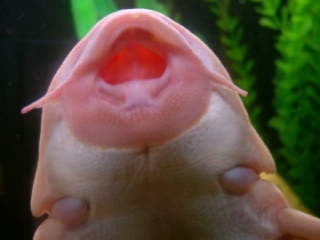
 Close-up of mouth
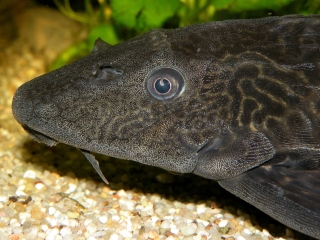 Close-up of head
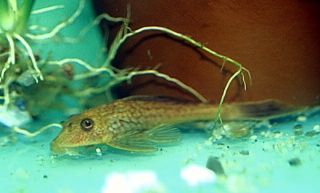 Albino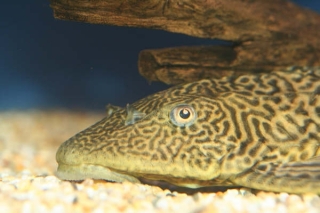
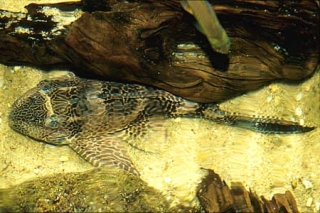 Dorsal view from above water
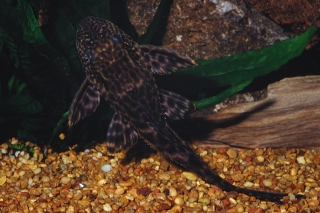 Dorsal view
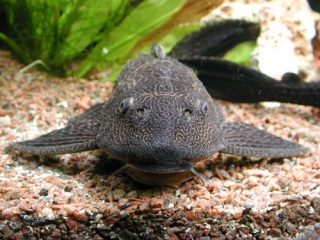 Frontal view
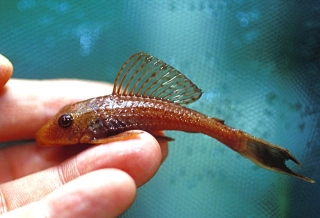 Albino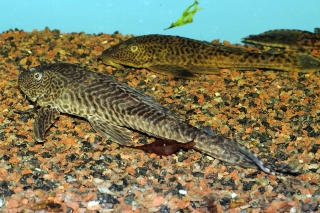
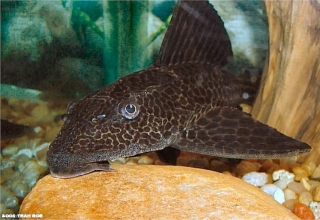
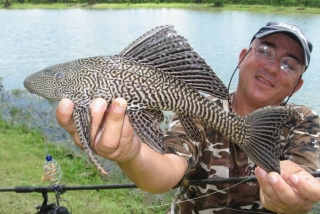
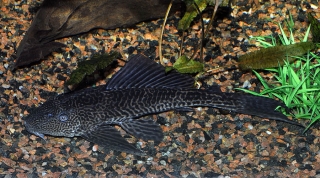 Adult
Adult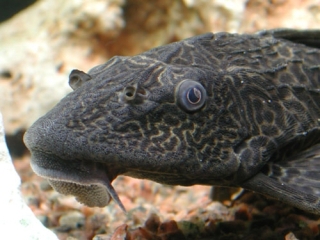 Close-up of head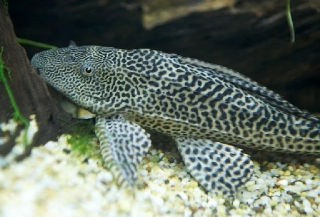
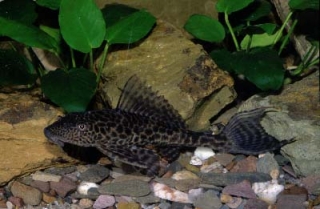
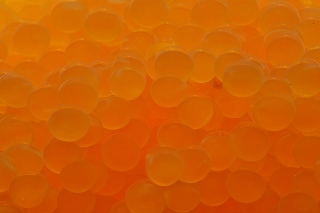 Newly laid eggs
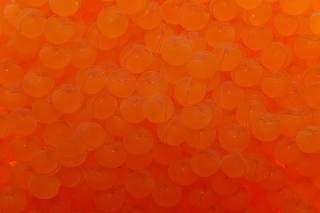 Two day old eggs
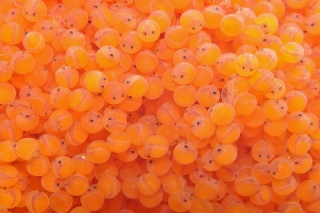 Four day old eggs
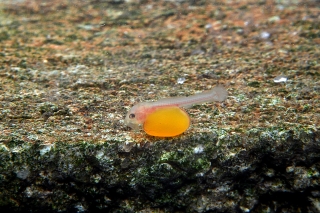 Newly hatched fry
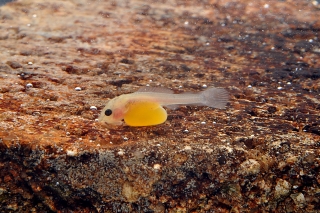 One day old fry
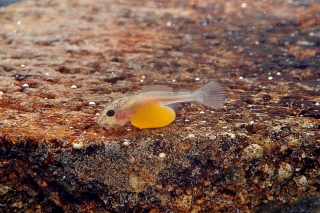 Two day old fry
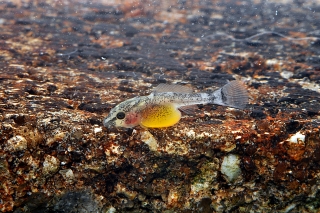 Three day old fry
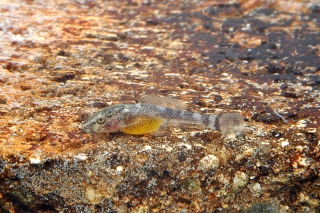 Four day old fry
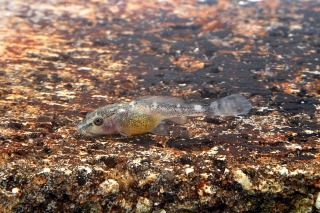 Five day old fry
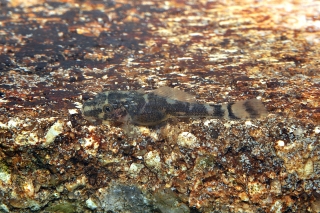 Six day old fry
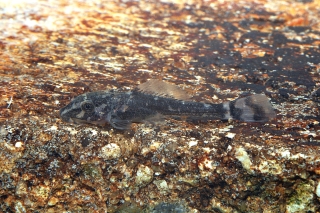 Week old fry
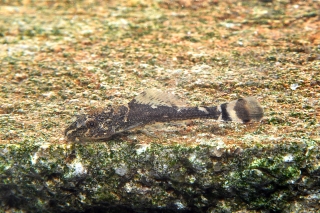 Three week old juvenile
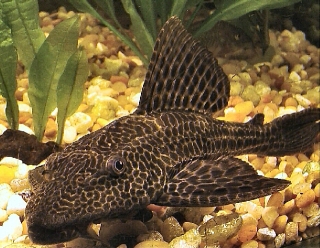 Sub-adult
 All Fishes Data Sheet All Fishes Data Sheet | |
|---|---|
| Scientific Name | Pterygoplichthys pardalis (Castelnau, 1855) |
| Common Names | L021, Common Pleco L023, Albino Pleco, Amazon Sailfin Pleco, Chocolate Pleco, Janitor Fish, Pantersugemalle (Denmark) |
| Type Locality | Amazon River, Brazil. |
| Synonym(s) | Hypostomus pardalis, Liposarcus jeanesianus, Liposarcus pardalis, Liposarcus varius |
| Pronunciation | terry gop LICK thees |
| Etymology | Greek, pterygion, diminutive of pteryx = wing, fin + Greek, hoplon = weapon + Greek, ichthys = fish. Lorica, Loricare = cuirass of corslet of leather (a suit of armour made of leather). |
| Species Information | |
| Size | 423mm or 16.7" SL. Find near, nearer or same sized spp. |
| Identification | Pterygoplichthys can be identified by the number of rays in the dorsal fin. Ten or more dorsal rays (usually more than 10) indicates that it's a Pterygoplichthys. Most other plecos have 8 or fewer rays (in particular the larger Hypostomus species that are most likely to be confused with Pterygoplichthys). Pterygoplichthys can be identified by the number of rays in the dorsal fin. Ten or more dorsal rays (usually more than 10) indicates that it's a Pterygoplichthys. Most other plecos have 8 or fewer rays (in particular the larger Hypostomus species that are most likely to be confused with Pterygoplichthys). |
| Sexing | Comparison of the genital papilla in mature fish shows the differences in the sexes to the trained eye. In males this is a small yet thick stump which noticeably protrudes from the fish's undercarriage. In females it is less obvious and is recessed or lies flat with the body. Comparison of the genital papilla in mature fish shows the differences in the sexes to the trained eye. In males this is a small yet thick stump which noticeably protrudes from the fish's undercarriage. In females it is less obvious and is recessed or lies flat with the body. |
| Habitat Information | |
| Distribution | South America Amazon (click on these areas to find other species found there) Login to view the map. |
| IUCN Red List Category | Least Concern , a distribution map is available on the IUCN species page. Last assessed 2020. |
| pH | 6.0 - 7.5 |
| Temperature | 21.0-26.0°C or 69.8-78.8°F (Show species within this range) |
| Other Parameters | Typically specimens found for sale are pond bred and raised and hardy. They will adapt to most water conditions and extend the more optimal ranges given here. |
| Husbandry Information | |
| Feeding | Omnivorous and a good algae eater, especially when young. User data. |
| Suggested Tankmates | Almost any medium sized community fish. |
| Breeding | Unreported in captivity, in nature, the male fish occupies a tunnel in soft river bank in which the eggs are laid and guarded. The egg mass of bright orange eggs contains thousands of eggs. |
| Breeding Reports | There is no breeding report. |
| Further Information | |
| Reference | Animaux nouveaux or rares v. 2, pp42, Pl. 20 (fig. 3). |
| Registered Keepers | There are 2 registered keepers, view all "my fish" data. |
| Wishlists | Love this species? Click the heart to add it to your wish list. There is no wish to keep this species. |
| Spotters | Spotted this species somewhere? Click the binoculars! There are 5 records of this fish being seen, view them all. |
| More Resources | |
| Forum BBCode | |
 | Look up P. pardalis on PlanetCatfish.com |
 | Look up P. pardalis on Fishbase |
 | Look up P. pardalis on Encyclopedia of Life |
 | Look up P. pardalis on Global Biodiversity Information Facility |
| LFS label creator ARN ref:1.4.6.88 | |
| Last Update | Sat Dec 25, 2010 10:17 am (Species record created: Thu Jan 01, 1970 1:00 am) |